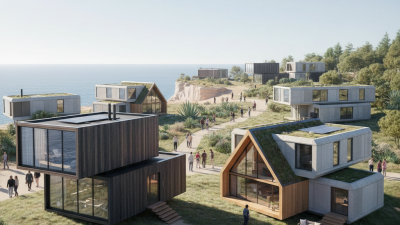
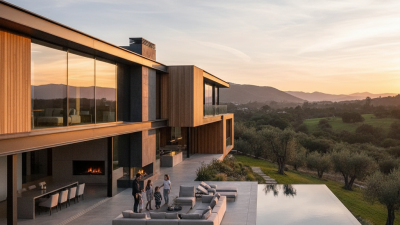
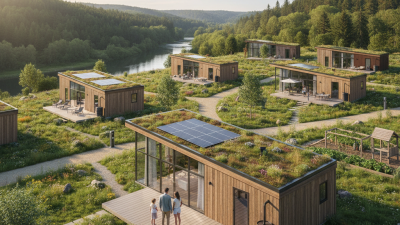
House living is changing from a display of size into a daily experience shaped by comfort, flexibility, and place. Global buyers now examine how a home feels at 7 a.m., not only how it photographs. They notice shaded windows, quiet bedrooms, durable flooring, and kitchens that support real routines. A balcony for morning coffee can matter more than an unused formal room. Flexible layouts are gaining attention, especially where remote work, multigenerational families, and changing budgets influence decisions. Energy efficiency also matters. Buyers increasingly ask about insulation, ventilation, natural light, and long-term operating costs.
Architect and author Sarah Susanka captured this shift clearly: “The Not So Big House is more about the quality of space than the quantity of space.” Her insight remains useful for comparing homes across different markets. The trends explored in this guide include adaptable rooms, biophilic design, connected technology, outdoor living, wellness features, local materials, and practical security. They also consider climate, maintenance, accessibility, and resale value. These details can separate a beautiful property from a genuinely livable one.
Yet no trend works everywhere. A glass wall may feel bright in one climate and overheated in another. Smart controls can simplify life, but they can also become frustrating when systems fail. Buyers should question fashionable features and test everyday function. A perfect home does not exist. Good house living often comes from thoughtful compromises, careful inspection, and space that supports imperfect human routines.
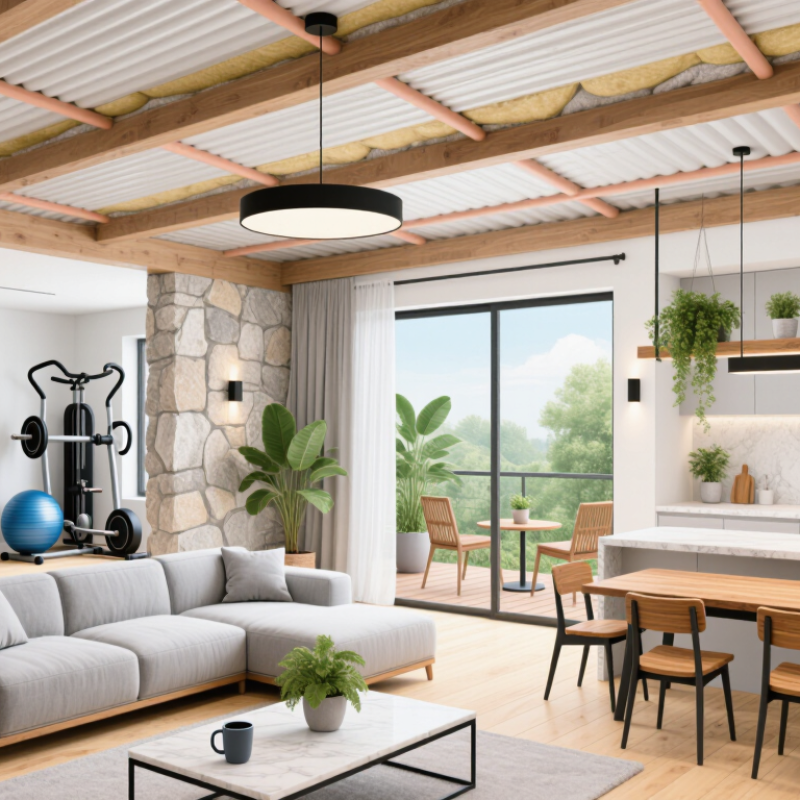
Global buyers are no longer judging houses by floor area alone. Their choices increasingly reflect ten connected living trends. These include flexible rooms, natural light, energy efficiency, outdoor space, wellness features, smart security, low-maintenance materials, multigenerational layouts, walkable locations, and resilient construction.
In practice, a flexible room can shift from office to guest bedroom within minutes. Buyers inspect window direction, afternoon heat, storage depth, and noise before admiring finishes. Energy performance matters too. Insulation, cross-ventilation, efficient appliances, and rooftop solar may reduce daily costs. However, projected savings require independent verification. Outdoor kitchens and planted balconies extend living space, especially in dense cities. They also demand cleaning, drainage, and seasonal care.
Wellness is becoming practical rather than decorative. Buyers ask about daylight, air quality, quiet corners, and secure walking routes. Smart locks and sensors offer convenience, but connected systems can create privacy concerns. Multigenerational homes need separate bathrooms and adaptable entrances, not merely larger lounges. Walkable neighborhoods support daily life, while flood-resistant foundations protect long-term value. A qualified surveyor should review construction quality, maintenance records, climate risks, and local standards. Some preferences remain uncertain. Technology can age quickly, and open-plan rooms may feel noisy after purchase. Careful buyers should question attractive features instead of accepting every trend as lasting value.
Global buyers are paying closer attention to sustainable design and climate-responsive homes. Energy efficiency now affects comfort, maintenance, and long-term value. A well-oriented home can use winter sunlight and reduce summer heat. Deep overhangs, shaded windows, and reflective roofs support this balance. Small details matter.
Natural ventilation is another practical trend. Windows placed on opposite walls can create cross-breezes. Ceiling fans may reduce reliance on mechanical cooling. In colder regions, strong insulation, airtight construction, and high-performance glazing help retain indoor heat. These features should match local weather, not follow a universal formula.
Water management is becoming equally important. Rainwater collection can support gardens where regulations allow it. Permeable paths may reduce runoff during heavy storms. Heat pumps, solar power, and efficient appliances can lower household emissions, but installation quality remains critical. Poor sealing or incorrect sizing can weaken expected savings. That part is often overlooked.
Buyers should request energy reports, drainage plans, and maintenance records before committing. Local building codes, flood maps, and future climate risks deserve careful review. A beautiful glass wall may offer daylight, yet it can create overheating without external shading. No design is perfect. Some sustainable systems also require more upkeep than advertised. Honest planning means accepting these trade-offs and checking how the home performs in real seasons, not only on paper.
Global urbanization is increasing demand for efficient, resilient, and climate-responsive homes. Higher urban population shares support trends such as passive cooling, natural ventilation, compact layouts, green infrastructure, water efficiency, and low-carbon construction.
Source: United Nations Department of Economic and Social Affairs, World Urbanization Prospects 2018 Revision. The 2050 figure is a projection.
Top 10 House Living Trends Global Buyers Need to Know
Flexible homes now serve work, family, hobbies, and changing household needs. For global buyers, adaptable planning can protect long-term value.
A spare bedroom can become a quiet office, nursery, or guest room. Sliding panels can separate spaces without blocking daylight. Keep the layout simple. Use durable flooring, movable storage, and several well-placed power outlets. Good daylight reduces reliance on artificial lighting during working hours. Yet flexibility needs limits. Acoustic insulation matters when one person attends meetings while others cook nearby.
An office beside the kitchen may support family connection, but noise can quickly become frustrating. Careful zoning protects concentration without isolating residents. From a practical perspective, hidden wiring, generous storage, and strong ventilation improve everyday comfort. Bathrooms benefit from wider doorways and safer floor finishes as household needs change. These details may seem minor, but they influence usability and future resale appeal.
Still, not every flexible room feels welcoming. A space designed for everything can feel unfinished and serve nobody well. Residential reviews often reveal this weakness. Buyers should test furniture layouts before committing to a property. Can a desk face natural light? Can children move safely around it? Can the room be closed during a video call? Local planning rules, climate, and construction quality also require careful checking. That caution may slow the purchase, but it can prevent expensive changes later.
Smart homes are shifting from luxury features to practical infrastructure. Deloitte’s 2024 Connected Consumer Survey found that about 69% of United States households own at least one smart-home device. Buyers now expect lighting, heating, door access, and appliances to work together. Voice controls help when carrying groceries. Motion sensors can turn hallway lights on at night. Convenience is physical.
Security deserves equal attention. NIST recommends strong unique passwords, regular software updates, and multi-factor authentication for connected accounts. Buyers should also check local data-storage policies and device-support periods before purchasing. A camera may improve awareness, yet it can create privacy concerns when settings are unclear. Security needs maintenance. It is not a one-time installation.
Energy management is becoming another everyday priority. The International Energy Agency reports that buildings consume roughly 30% of global final energy. Smart thermostats, occupancy sensors, and automated blinds can reduce waste by adjusting rooms when people leave. However, automation is not always efficient. Poorly calibrated sensors may heat empty rooms or frustrate residents. A simple manual override remains valuable. The best system is not the most complicated one. It is the one people can understand, repair, and use consistently.
House buyers rarely compare like with like across borders. A 1,500-square-foot home may feel spacious in one region but modest in another. Climate changes the calculation. Coastal properties often need corrosion-resistant fittings, while colder areas require stronger insulation and heating systems. In humid locations, ventilation and mold prevention can become regular expenses.
Purchase price is only one part of the budget. Buyers should check transfer taxes, registration fees, insurance, local property taxes, and currency conversion costs. A lower-priced home may sit far from schools, hospitals, or reliable public transport. That distance can create daily fuel costs and reduce future demand. Local surveyors and licensed legal advisers can verify drainage, construction quality, ownership records, and planning restrictions.
Long-term value also depends on how the area may change. Employment growth, infrastructure projects, water security, and population trends deserve careful research. I once underestimated maintenance costs on an older property because the roof looked sound during a dry inspection. Rain exposed the problem within weeks. That mistake was expensive. It also showed why buyers need independent inspections and written repair estimates. Think beyond resale. Can the home support aging occupants, remote work, or changing family needs? Small details matter, such as shaded windows, step-free entrances, storage space, and access to essential services. Some assumptions will be wrong. A flexible budget helps.
| No. | House Living Trend | Regions Where It Is Most Visible | Typical Buyer Motivation | Indicative Additional Cost | Long-Term Buyer Considerations | Relevant Evidence or Benchmark |
|---|---|---|---|---|---|---|
| 1 | Energy-Efficient and Net-Zero Homes | Europe, Australia, Canada, Japan, and selected U.S. states | Lower energy bills, improved indoor comfort, stronger resilience to energy-price volatility, and compliance with tightening building standards. | Approximately 5%–15% above standard construction for high-performance insulation, airtightness, efficient heating, and renewable-energy systems. | Check the building envelope, heating system, ventilation, solar orientation, and independently verified energy performance. Savings depend on climate, utility prices, and household behavior. | Buildings account for about 30% of global final energy consumption, according to international energy assessments. |
| 2 | Heat Pumps and Low-Carbon Heating | Northern Europe, North America, China, South Korea, and increasingly warmer-climate markets | Replacing fossil-fuel heating, reducing operating emissions, and obtaining both heating and cooling from one system. | Roughly US$4,000–US$15,000 for a residential air-source heat-pump installation, depending on capacity, ductwork, and local labor. | Assess winter performance, backup heating, electricity capacity, noise, refrigerant requirements, and maintenance access. Older homes may need insulation upgrades before installation. | Modern heat pumps can deliver several units of heat for each unit of electricity under suitable operating conditions. |
| 3 | Solar Power, Batteries, and Home Energy Storage | Australia, the United States, Southern Europe, the Middle East, and parts of Asia | Lower grid dependence, backup power, protection against outages, and better use of on-site renewable electricity. | A typical residential solar-plus-battery system may add approximately US$15,000–US$40,000 before local incentives. | Review roof condition, shading, battery warranty terms, replacement cycles, grid-export rules, insurance, and fire-safety requirements. | Solar output is highly location-dependent; annual generation varies with latitude, weather, roof orientation, and system design. |
| 4 | Flexible and Multifunctional Floor Plans | Urban Europe, North America, Australia, Singapore, and rapidly growing Asian cities | Working from home, multigenerational living, changing household sizes, and the need to adapt rooms over time. | Approximately 3%–10% above a fixed-layout design for movable partitions, additional electrical points, acoustic treatment, and reinforced services. | Look for structurally independent partitions, sufficient daylight, acoustic separation, accessible bathrooms, and legal limits on converting rooms into rental or office space. | Remote and hybrid work have increased demand for dedicated work areas, but local employment patterns differ significantly by region and sector. |
| 5 | Multigenerational and Accessible Housing | East and Southeast Asia, Southern Europe, the Middle East, and North America | Rising longevity, family-based care, housing affordability pressures, and the desire to keep relatives close to home. | Universal-design improvements may add about 2%–8% during construction; later bathroom or entrance adaptations can be substantially more expensive. | Prioritize step-free entrances, wider doorways, ground-floor sleeping and bathing options, handrail reinforcement, and privacy between household zones. | Population ageing is a global trend, while household structure and the availability of formal care vary widely between countries. |
| 6 | Climate-Resilient Homes | Coastal areas, floodplains, wildfire-prone regions, hot climates, and locations exposed to severe storms | Protection from flooding, extreme heat, wildfire, high winds, water scarcity, and insurance-price increases. | Common resilience measures range from 1%–10% of construction cost; major elevation, drainage, or structural upgrades may cost considerably more. | Review hazard maps, historical events, drainage, elevation, roof anchoring, defensible space, insurance availability, and local rebuilding rules before purchase. | Climate-related hazards are location-specific; national averages can conceal substantial differences between neighborhoods only a few kilometers apart. |
| 7 | Water-Efficient and Water-Reuse Systems | Australia, the Middle East, Southern Europe, the western United States, and water-stressed cities worldwide | Lower water bills, drought resilience, reduced pressure on municipal supplies, and improved garden sustainability. | Rainwater harvesting, efficient fixtures, and basic reuse systems commonly add about US$2,000–US$15,000, depending on capacity and regulation. | Confirm whether rainwater or greywater systems are legal, potable-water separation is adequate, tanks are maintained, and future water charges justify the investment. | Domestic water demand is strongly affected by climate, household size, landscaping, appliance efficiency, and local pricing structures. |
| 8 | Smarter Homes with Connected Controls | North America, Europe, China, South Korea, Japan, and high-income urban markets | Convenience, energy monitoring, security, predictive maintenance, and remote control of lighting, heating, cooling, and access. | Approximately US$1,000–US$10,000 for an integrated system, excluding major electrical or security upgrades. | Check interoperability, cybersecurity, data privacy, subscription fees, offline operation, software-support periods, and whether essential functions remain usable manually. | Connected devices can improve monitoring, but long-term value depends on open standards, reliable connectivity, and continued technical support. |
| 9 | Compact, Walkable, and Transit-Oriented Living | Major European cities, Japan, South Korea, Singapore, and selected North American urban centers | Reduced car dependence, shorter commutes, access to services, and lower spending on parking and private transport. | Homes in highly accessible districts often command a location premium; the actual difference varies by city and can exceed the cost of transport savings. | Evaluate noise, privacy, storage, parking, school access, public transport frequency, local zoning, and the neighborhood’s long-term development plan. | Walkability and transit access can support daily convenience and resale demand, but location premiums are highly city-specific. |
| 10 | Prefabricated, Modular, and Smaller Homes | Scandinavia, Japan, Australia, North America, and housing-constrained urban regions | Shorter construction schedules, more predictable manufacturing, efficient use of land, and lower heating and maintenance needs. | Factory production may reduce construction time and, in suitable projects, total costs by roughly 5%–20%; transport, foundations, permits, and site work can offset savings. | Verify local building-code approval, transport access, foundation conditions, resale comparables, expansion options, and the manufacturer’s long-term service capability. | Modular construction is not automatically cheaper; the strongest financial case usually occurs where designs are standardized and site conditions are straightforward. |