...

Top 10 House Living Trends Global Buyers Need to Know

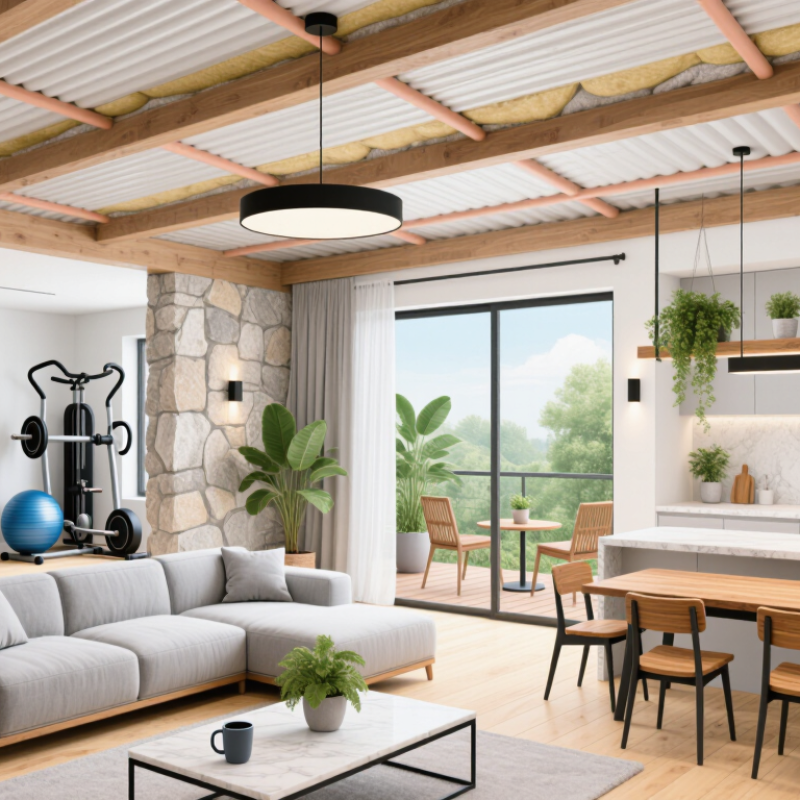
House living is changing from a display of size into a daily experience shaped by comfort, flexibility, and place. Global buyers now examine how a home feels at 7 a.m., not only how it photographs. They notice shaded windows, quiet bedrooms, durable flooring, and kitchens that support real routines. A balcony for morning coffee can matter more than an unused formal room. Flexible layouts are gaining attention, especially where remote work, multigenerational families, and changing budgets influence decisions. Energy efficiency also matters. Buyers increasingly ask about insulation, ventilation, natural light, and long-term operating costs.

Architect and author Sarah Susanka captured this shift clearly: “The Not So Big House is more about the quality of space than the quantity of space.” Her insight remains useful for comparing homes across different markets. The trends explored in this guide include adaptable rooms, biophilic design, connected technology, outdoor living, wellness features, local materials, and practical security. They also consider climate, maintenance, accessibility, and resale value. These details can separate a beautiful property from a genuinely livable one.

Yet no trend works everywhere. A glass wall may feel bright in one climate and overheated in another. Smart controls can simplify life, but they can also become frustrating when systems fail. Buyers should question fashionable features and test everyday function. A perfect home does not exist. Good house living often comes from thoughtful compromises, careful inspection, and space that supports imperfect human routines.
Top 10 House Living Trends Global Buyers Need to Know

Defining the Ten House Living Trends Shaping Global Buyer Choices

Global buyers are no longer judging houses by floor area alone. Their choices increasingly reflect ten connected living trends. These include flexible rooms, natural light, energy efficiency, outdoor space, wellness features, smart security, low-maintenance materials, multigenerational layouts, walkable locations, and resilient construction.

In practice, a flexible room can shift from office to guest bedroom within minutes. Buyers inspect window direction, afternoon heat, storage depth, and noise before admiring finishes. Energy performance matters too. Insulation, cross-ventilation, efficient appliances, and rooftop solar may reduce daily costs. However, projected savings require independent verification. Outdoor kitchens and planted balconies extend living space, especially in dense cities. They also demand cleaning, drainage, and seasonal care.

Wellness is becoming practical rather than decorative. Buyers ask about daylight, air quality, quiet corners, and secure walking routes. Smart locks and sensors offer convenience, but connected systems can create privacy concerns. Multigenerational homes need separate bathrooms and adaptable entrances, not merely larger lounges. Walkable neighborhoods support daily life, while flood-resistant foundations protect long-term value. A qualified surveyor should review construction quality, maintenance records, climate risks, and local standards. Some preferences remain uncertain. Technology can age quickly, and open-plan rooms may feel noisy after purchase. Careful buyers should question attractive features instead of accepting every trend as lasting value.

Sustainable Design and Climate-Responsive Home Features

Global buyers are paying closer attention to sustainable design and climate-responsive homes. Energy efficiency now affects comfort, maintenance, and long-term value. A well-oriented home can use winter sunlight and reduce summer heat. Deep overhangs, shaded windows, and reflective roofs support this balance. Small details matter.

Natural ventilation is another practical trend. Windows placed on opposite walls can create cross-breezes. Ceiling fans may reduce reliance on mechanical cooling. In colder regions, strong insulation, airtight construction, and high-performance glazing help retain indoor heat. These features should match local weather, not follow a universal formula.

Water management is becoming equally important. Rainwater collection can support gardens where regulations allow it. Permeable paths may reduce runoff during heavy storms. Heat pumps, solar power, and efficient appliances can lower household emissions, but installation quality remains critical. Poor sealing or incorrect sizing can weaken expected savings. That part is often overlooked.

Buyers should request energy reports, drainage plans, and maintenance records before committing. Local building codes, flood maps, and future climate risks deserve careful review. A beautiful glass wall may offer daylight, yet it can create overheating without external shading. No design is perfect. Some sustainable systems also require more upkeep than advertised. Honest planning means accepting these trade-offs and checking how the home performs in real seasons, not only on paper.

Top 10 House Living Trends Global Buyers Need to Know: Sustainable Design and Climate-Responsive Home Features

Global urbanization is increasing demand for efficient, resilient, and climate-responsive homes. Higher urban population shares support trends such as passive cooling, natural ventilation, compact layouts, green infrastructure, water efficiency, and low-carbon construction.

Source: United Nations Department of Economic and Social Affairs, World Urbanization Prospects 2018 Revision. The 2050 figure is a projection.

Flexible Spaces for Work, Family, and Changing Lifestyles

Top 10 House Living Trends Global Buyers Need to Know

Flexible homes now serve work, family, hobbies, and changing household needs. For global buyers, adaptable planning can protect long-term value.

A spare bedroom can become a quiet office, nursery, or guest room. Sliding panels can separate spaces without blocking daylight. Keep the layout simple. Use durable flooring, movable storage, and several well-placed power outlets. Good daylight reduces reliance on artificial lighting during working hours. Yet flexibility needs limits. Acoustic insulation matters when one person attends meetings while others cook nearby.

An office beside the kitchen may support family connection, but noise can quickly become frustrating. Careful zoning protects concentration without isolating residents. From a practical perspective, hidden wiring, generous storage, and strong ventilation improve everyday comfort. Bathrooms benefit from wider doorways and safer floor finishes as household needs change. These details may seem minor, but they influence usability and future resale appeal.

Still, not every flexible room feels welcoming. A space designed for everything can feel unfinished and serve nobody well. Residential reviews often reveal this weakness. Buyers should test furniture layouts before committing to a property. Can a desk face natural light? Can children move safely around it? Can the room be closed during a video call? Local planning rules, climate, and construction quality also require careful checking. That caution may slow the purchase, but it can prevent expensive changes later.

Smart Technology, Security, and Everyday Home Convenience

Top 10 House Living Trends Global Buyers Need to Know

Smart Technology, Security, and Everyday Home Convenience

Smart homes are shifting from luxury features to practical infrastructure. Deloitte’s 2024 Connected Consumer Survey found that about 69% of United States households own at least one smart-home device. Buyers now expect lighting, heating, door access, and appliances to work together. Voice controls help when carrying groceries. Motion sensors can turn hallway lights on at night. Convenience is physical.

Security deserves equal attention. NIST recommends strong unique passwords, regular software updates, and multi-factor authentication for connected accounts. Buyers should also check local data-storage policies and device-support periods before purchasing. A camera may improve awareness, yet it can create privacy concerns when settings are unclear. Security needs maintenance. It is not a one-time installation.

Energy management is becoming another everyday priority. The International Energy Agency reports that buildings consume roughly 30% of global final energy. Smart thermostats, occupancy sensors, and automated blinds can reduce waste by adjusting rooms when people leave. However, automation is not always efficient. Poorly calibrated sensors may heat empty rooms or frustrate residents. A simple manual override remains valuable. The best system is not the most complicated one. It is the one people can understand, repair, and use consistently.

Regional Differences, Costs, and Long-Term Buyer Considerations

House buyers rarely compare like with like across borders. A 1,500-square-foot home may feel spacious in one region but modest in another. Climate changes the calculation. Coastal properties often need corrosion-resistant fittings, while colder areas require stronger insulation and heating systems. In humid locations, ventilation and mold prevention can become regular expenses.

Purchase price is only one part of the budget. Buyers should check transfer taxes, registration fees, insurance, local property taxes, and currency conversion costs. A lower-priced home may sit far from schools, hospitals, or reliable public transport. That distance can create daily fuel costs and reduce future demand. Local surveyors and licensed legal advisers can verify drainage, construction quality, ownership records, and planning restrictions.

Long-term value also depends on how the area may change. Employment growth, infrastructure projects, water security, and population trends deserve careful research. I once underestimated maintenance costs on an older property because the roof looked sound during a dry inspection. Rain exposed the problem within weeks. That mistake was expensive. It also showed why buyers need independent inspections and written repair estimates. Think beyond resale. Can the home support aging occupants, remote work, or changing family needs? Small details matter, such as shaded windows, step-free entrances, storage space, and access to essential services. Some assumptions will be wrong. A flexible budget helps.

Data note: Cost ranges are indicative planning estimates in 2025 U.S. dollars and vary by country, labor market, building size, climate, permitting, taxes, subsidies, and site conditions. Buyers should obtain local quotations, review official planning and hazard records, and commission independent building and energy inspections before making a purchase.
Seraphinite AcceleratorOptimized by Seraphinite Accelerator
Turns on site high speed to be attractive for people and search engines.